Iron (Fe)
In most cases, plant iron deficiency is not due to the lack of iron in the soil, but due to soil conditions that reduce its plant availability, such as:
• high soil pH
• low soil oxygen levels caused by either soil compactions or water- logging
• prolonged periods of excessive soil moisture
• high temperatures
• high soil phosphorus, copper, manganese, and zinc levels
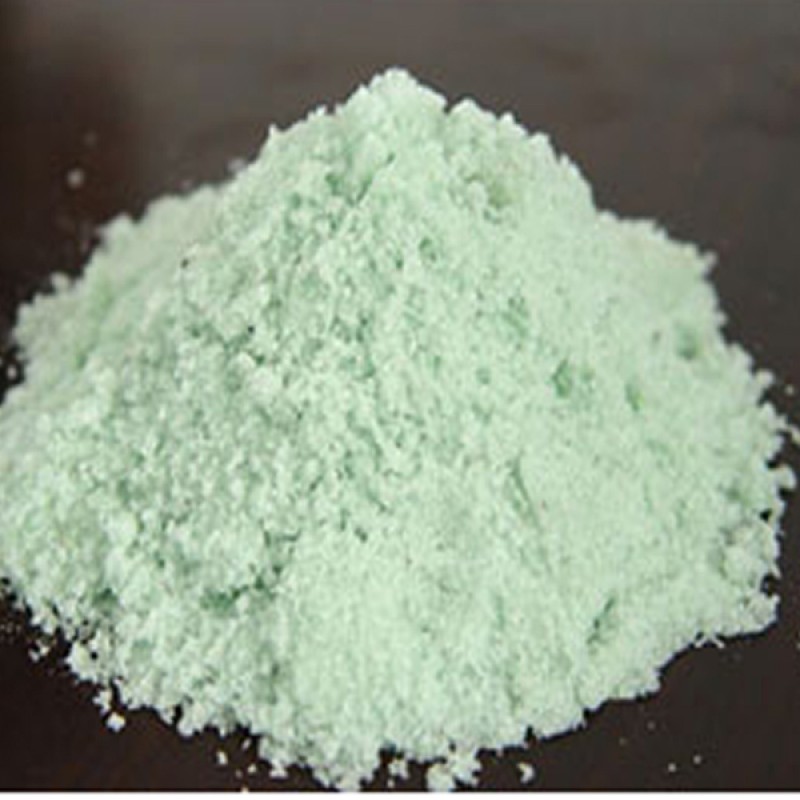
Based on these soil influencing factors plus the lack of a correlation between Mehlich No. 1- extractable iron and plant response, the extractable-iron concentration in the soil is not reported. Crops in South Carolina that may exhibit iron deficiency symptoms are pecan (when over fertilized with zinc), centipede grass, blueberry, and certain ornamentals, such as azalea and camellia. A foliar application of iron is the most effective way to correct an iron deficiency by either applying a 1% solution of ferrous sulfate [FeSO4 – adding a little sulfuric acid (H2SO4) to keep the iron in solution], or a 2% solution of chelated iron.
Some plants have been designated as “iron sufficient” due to the ability of their roots to acidify the rhizosphere and/or to secrete phytosiderophores that complex iron at the root-soil interface, and thereby enhance iron uptake. Iron exists in the soil solution as either the ferrous (Fe2+) or ferric (Fe3+) cation, the valence form being determined by soil conditions.
List of Iron-containing Commercial Fertilizers:
| Source | Formula | Water Solubility |
%Fe |
|---|---|---|---|
| Ferrous ammonium phosphate | Fe(NH4)PO4.H2O | Soluble | 29 |
| Ferrous ammonium sulfate | NH4SO4.FeSO4.6H2O | 14 | |
| Iron chelates | NaFeEDTA | Soluble | 5 – 11 |
| NaFeHPDTA | Soluble | 5 – 9 | |
| NaFeEDDHA | Soluble | 6 | |
| NaFeDTPA | Soluble | 10 | |
| FeHEDTA | Soluble | 5 – 9 | |
| FeEDDHA | Soluble | 6 | |
| Iron polyflavonoids | Organically Bound Fe | 9 – 10 | |
| Ferrous sulfate | FeSO4.7H2O | Soluble | 20 |
| Ferric sulfate | Fe(SO4) 3.4H2O | Soluble | 23 |